Source Cold Rolled Hastelloy Round Rods for Industrial Use
Explore 30 listings for cold rolled hastelloy round rods suitable for chemical processing and aerospace applications. Compare specifications including diameter, length, and surface treatment options from verified suppliers to find the right material for your project needs; compare the available evidence and request quotations based on your requirements.
Key considerations
Products List


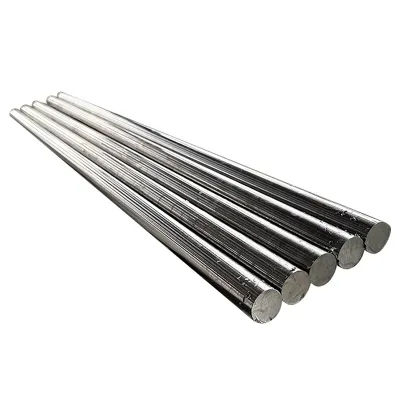
Comprehensive Sourcing Guide
Cold Rolled Hastelloy Round Rods Sourcing Guide
Procuring cold rolled Hastelloy round rods requires distinguishing between hot-rolled and cold-rolled processing methods, as the supplied data indicates a mix of techniques including hot rolling and cold drawing. Buyers must verify that the specific supplier listing explicitly confirms the cold-rolled finish, as this process significantly enhances surface quality and dimensional precision compared to hot-rolled alternatives. The observed product range includes various Hastelloy grades such as C-22, C-4, and B-3, alongside stainless steel options, necessitating careful selection to ensure the material matches the intended corrosion resistance and mechanical strength requirements.
When evaluating listings, buyers should scrutinize the stated surface treatment and technique to confirm the cold-rolled attribute, as some entries list bright surface treatments or cold-drawn procedures which may differ from standard cold rolling. The observed data shows a wide variety of standard diameters and lengths, ranging from 4.0mm to 300mm, with specific customizations available for hollow bars and solid rods. It is critical to confirm that the specific rod type, whether seamless or solid, aligns with the application's tolerance requirements, as the observed tolerance for hollow bar outer diameter is +/- 1.5mm, which may not suffice for high-precision machining without further verification.
Product Scope and Observed Listing Signals
The market for these rods presents a diverse array of material grades, including Hastelloy C-276, C-22, and C-4, alongside stainless steel variants like 316L and 2205. Buyers must carefully parse product titles and descriptions to isolate cold-rolled specific items, as the observed listings frequently mix hot-rolled stainless steel bars with specialized nickel alloys. The presence of custom sample availability within 5-7 days suggests a responsive supply chain, yet the primary focus must remain on verifying the exact rolling process to ensure the final product meets the stringent surface finish and mechanical property expectations associated with cold rolling.
Commercial signals in the listings reveal a broad price range from 6 to 45,000 USD, reflecting the significant variance in material grade, diameter, and order volume. While some entries list a minimum order quantity of 500kg, others indicate an MOQ of 1 unit, creating a complex procurement landscape where volume discounts and shipping costs must be calculated individually. The observed shipping port is consistently Shanghai, and packing methods vary from fumigated wooden boxes to water-proofed bags, requiring buyers to specify their packaging needs to prevent damage during transit, especially for high-value nickel alloy rods.
Technical Specifications to Verify
Dimensional accuracy is paramount when sourcing cold rolled rods, as the observed specifications include diameters from 4.0mm up to 300mm and lengths ranging from 1500mm to 6000mm. Buyers must explicitly request tolerance data for the specific cold-rolled product, as the observed tolerance for hollow bars is +/- 1.5mm, which may not apply to solid round rods. It is essential to confirm whether the supplier offers custom sizes or adheres to standard dimensions like 100mm diameter, ensuring the physical geometry matches the design constraints of the intended machinery parts or construction applications.
Surface finish and mechanical properties are equally critical, with observed listings mentioning bright surface treatments and high-efficiency electrode types that may indicate specific processing capabilities. While some data points reference high-temperature resistance or low-hydrogen characteristics, these often pertain to welding electrodes rather than the base rod material itself. Buyers should verify the specific mechanical properties of the cold-rolled Hastelloy, such as tensile strength and yield strength, to ensure the material can withstand the operational stresses of gravity electrodes, surfacing applications, or mechanical parts without premature failure.
Compliance and Safety Documentation
Certification verification is a non-negotiable step, as the observed data lists multiple standards including JIS, AISI, ASTM, GB, EN, DIN, ISO, and RoHS. Buyers must demand that the specific cold-rolled rods are accompanied by mill test certificates that explicitly reference the applicable standard, such as ASTM B574 or ASTM B446, to confirm the chemical composition and mechanical properties of the Hastelloy grade. Relying on general certification claims without specific test reports for the ordered batch can lead to significant quality discrepancies, particularly when dealing with high-performance nickel alloys used in corrosive environments.
Safety documentation should also address the handling and storage requirements for these specialized alloys, especially given the observed origin in China and the varied packing methods. While the listings mention moisture-proof electrodes and high-cellulose coatings, these attributes are specific to welding consumables and do not directly apply to the structural integrity of the round rods. However, buyers should ensure that the supplier provides Material Safety Data Sheets (MSDS) and compliance statements regarding RoHS and REACH regulations to guarantee the material is safe for use in construction, decoration, and machinery applications without posing environmental or health risks.
Cost Drivers and Commercial Terms
The final cost of cold rolled Hastelloy round rods is heavily influenced by the specific alloy grade, with Hastelloy C-276 and C-22 typically commanding higher prices than standard stainless steel variants. Buyers must account for the processing method, as cold rolling involves additional steps compared to hot rolling, which increases the unit price but delivers superior surface finish and tighter tolerances. The observed price range of 6 to 45,000 USD suggests that small diameter rods or custom lengths may have different pricing structures than standard stock items, requiring a detailed quote breakdown to understand the cost per kilogram versus per piece.
Commercial terms such as Minimum Order Quantity (MOQ) and lead times vary significantly across the observed listings, with some suppliers requiring 500kg while others accept orders as low as 1 unit. The observed custom sample lead time of 5-7 days indicates a relatively quick turnaround for prototypes, but bulk production lead times are not explicitly stated and must be negotiated. Buyers should clarify shipping terms, noting that the primary port is Shanghai, and determine who bears the cost of fumigated wooden boxes or water-proofed bags to avoid unexpected logistics expenses that could erode the initial price advantage.
Supplier Qualification and Quality Control
Supplier qualification should focus on their ability to provide consistent cold-rolled products that meet the rigorous standards of ASTM, AISI, and ISO. The observed data indicates that suppliers offer customization and various surface treatments, but buyers must verify the supplier's quality control processes to ensure that the cold-rolling operation is performed correctly without introducing surface defects or dimensional inconsistencies. It is advisable to request a factory audit or a detailed quality assurance plan that outlines how the supplier maintains the integrity of the nickel alloy during the cold drawing and annealing processes.
Quality control checks must extend beyond the initial inspection to include third-party testing for critical applications in construction and machinery parts. While the listings mention certifications like ISO and RoHS, these are general claims that do not guarantee the quality of every specific batch of cold-rolled rods. Buyers should insist on pre-shipment inspections that verify the diameter, length, and surface finish against the agreed specifications, ensuring that the product matches the observed standard of 100mm diameter or custom sizes before the goods leave the Shanghai port.
Long-Term Procurement Checks
Establishing a long-term procurement relationship requires regular performance reviews to ensure the supplier consistently delivers cold-rolled Hastelloy rods that meet the evolving needs of the buyer's projects. Buyers should track the supplier's ability to maintain the observed standards of ASTM, EN, and DIN over time, as well as their responsiveness to custom requests for specific diameters and lengths. Consistent quality in the cold-rolling process is essential for maintaining the structural integrity of the rods in demanding applications, and any deviation from the expected performance should be addressed immediately to prevent downstream production issues.
Future procurement strategies should also consider the scalability of the supply chain, given the observed wide range of product models and the potential for fluctuating market prices. Buyers must monitor the supplier's capacity to handle increased order volumes without compromising the 5-7 day custom sample lead time or the quality of the finished product. Regular communication regarding updates in material standards, such as new ASTM or ISO revisions, will ensure that the sourced cold-rolled rods remain compliant with the latest industry requirements and continue to meet the high-performance expectations of the buyer's applications.
FAQs
What certifications are available for cold rolled hastelloy round rods?
Cold rolled hastelloy round rods are available with certifications including JIS, AISI, ASTM, GB, EN, DIN, IBR, ISO, and RoHS. These standards ensure material compliance and quality assurance for industrial applications. Buyers can request specific documentation to verify that the products meet international regulatory requirements and industry-specific performance criteria.
Can I request custom sizes for these stainless steel bars?
Yes, customization is available for these stainless steel bars. While standard dimensions like 100mm diameter and 6000mm length exist, buyers can request customized sizes to fit specific project needs. This flexibility allows for precise engineering integration, ensuring that the final components align perfectly with design specifications and operational requirements.
What is the typical sample lead time for these products?
The typical sample lead time is 5-7 days. This duration allows for the preparation and dispatch of samples, such as S2205 or 316L stainless steel bars, to verify quality before bulk ordering. Buyers should account for shipping time when planning their procurement schedules to ensure timely project execution and material validation.
How are these rods packaged for international shipping?
Packaging options include good quality fumigated wooden boxes, water-proofed bags, or standardized wooden cases. Some suppliers offer packaging according to client requests to ensure safe transit. This variety helps protect the rods from moisture and physical damage during long-distance shipping, maintaining product integrity upon arrival at the destination port, such as Shanghai.
What is the minimum order quantity for these materials?
The minimum order quantity is typically 500kg. This threshold ensures efficient production and logistics handling for bulk industrial orders. Buyers planning smaller projects should verify if suppliers offer flexibility or alternative sourcing options, as this MOQ is standard for many manufacturers dealing in high-grade alloys and specialized stainless steel products.
Which standards govern the production of these round bars?
Production follows standards such as AISI, ASTM, DIN, EN, GB, and JIS. These frameworks define the chemical composition, mechanical properties, and dimensional tolerances of the bars. Adhering to these recognized standards ensures that the materials meet global quality benchmarks, facilitating their use in demanding sectors like construction, decoration, and machinery parts.